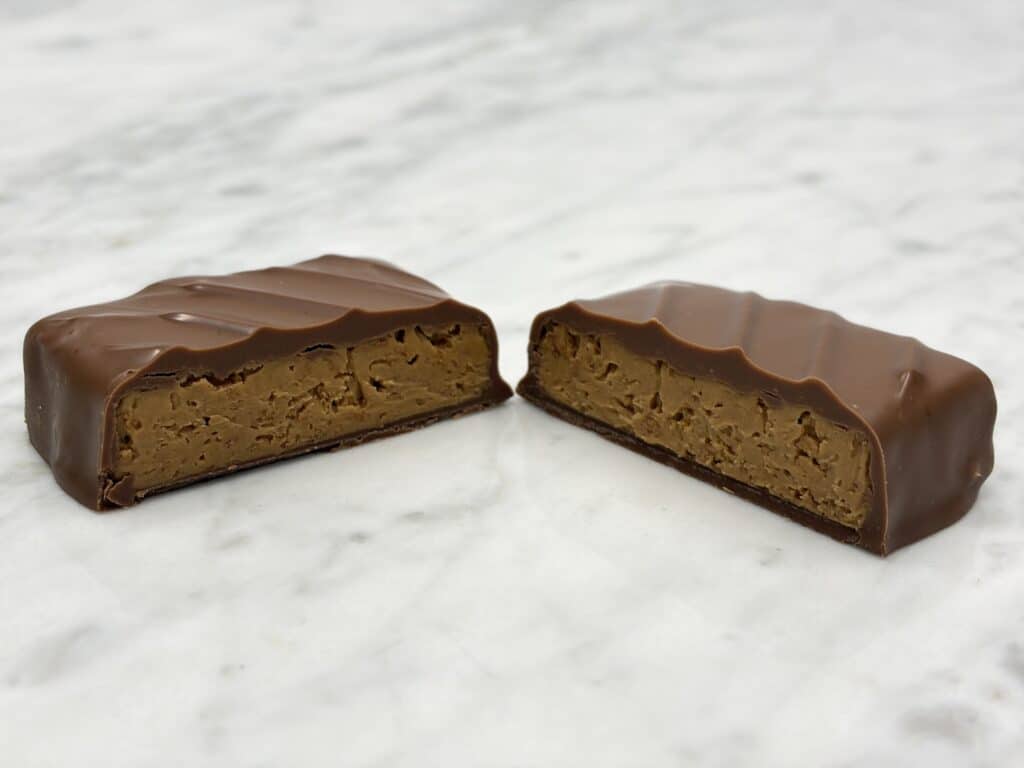
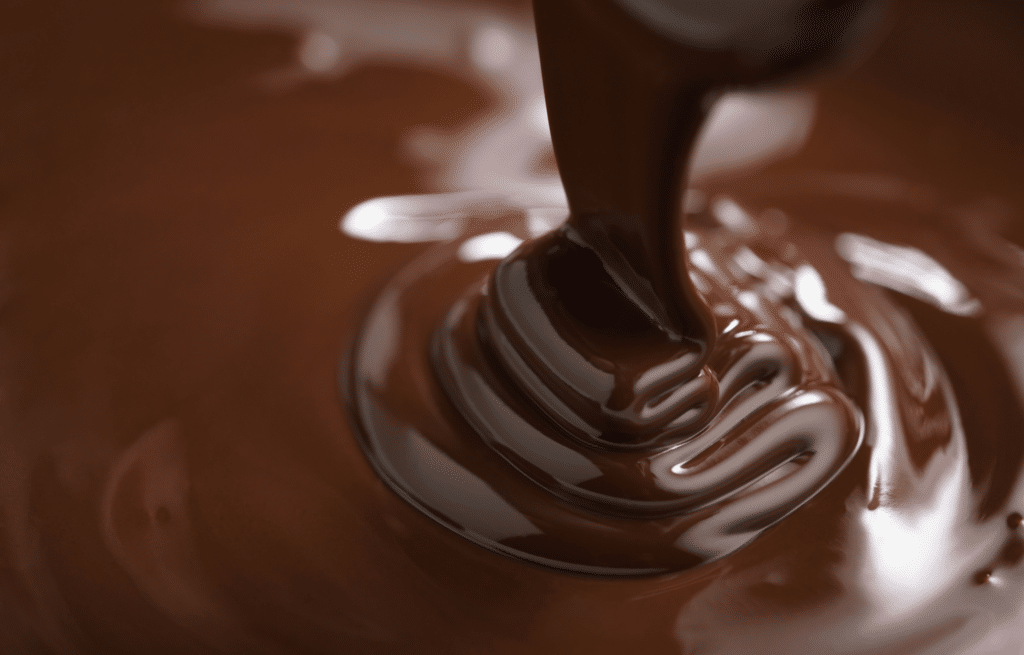
Whether you’re making molded chocolates, dipped confections, chocolate bars or other chocolate products, proper tempering can make the difference between a professional-looking finished product and chocolate that appears dull, soft or streaky.
Chocolate tempering is the process of controlling the crystallization of cocoa butter within melted chocolate. Done correctly, it helps chocolate develop the glossy appearance, smooth texture, clean snap and bloom resistance you expect from a quality finished product.
While there are several ways to temper chocolate, they all rely on the same basic principles: temperature, time and agitation.
Why Does Chocolate Need to Be Tempered?
Cocoa butter can solidify into several different crystal forms, each with different characteristics and melting points. The goal of tempering is to encourage the formation of a small amount of stable cocoa butter crystals within melted chocolate.
According to Cargill’s tempering guidance, chocolate is considered in temper when approximately 2–4% of its cocoa butter is in the stable crystal form. These stable crystals help the remaining cocoa butter organize properly as the chocolate cools and solidifies.
Properly tempered chocolate should have:
- A shiny, glossy surface
- Even color
- A good snap
- Smooth texture
- Good contraction for molding
- Resistance to chocolate bloom
Improper tempering can result in a dull finish, fat bloom, uneven or soft texture, poor contraction and a weak snap.
The 3 Keys to Tempering Chocolate
Regardless of the method you use, successful chocolate tempering depends on three variables.
- Temperature: Cocoa butter crystals form and melt at specific temperatures, making accurate temperature control essential.
- Time: Stable cocoa butter crystals need sufficient time to form and develop.
- Agitation: Stirring helps distribute cocoa butter crystals evenly throughout the melted chocolate while preventing premature crystal growth.
Together, these factors determine the type, size and number of cocoa butter crystals that develop.
What Temperature Should Chocolate Be Tempered At?
The correct working temperature depends on the type of chocolate you’re using:
| Chocolate Type | Tempering Temperature |
| Dark Chocolate | 88–90°F |
| Milk Chocolate | 86–88°F |
| White Chocolate | 86–88°F |
Maintaining these temperature ranges is important. If chocolate gets too warm, too many desirable crystals can melt. If it remains too cool, excess crystals can develop and the chocolate can become thick or over-tempered.
How to Temper Chocolate Using the Seed Method
Seed tempering is one of the hand-tempering methods covered in the guide. It uses already well-tempered chocolate as the “seed” that introduces stable cocoa butter crystals into melted chocolate.
Seed chocolate can be finely ground chocolate, wafers, chunks or blocks.
Seed Tempering With Finely Ground Chocolate
Start by melting untempered chocolate to 105–115°F.
Allow the melted chocolate to cool while stirring until it reaches:
- 92–93°F for dark chocolate
- 91–92°F for milk or white chocolate
Next, add finely ground, properly tempered chocolate. Cargill recommends approximately 4 ounces of ground chocolate for every 5 pounds of melted chocolate.
Continue stirring as the seed chocolate melts and the temperature drops to the appropriate working range of 88–90°F for dark chocolate or 86–88°F for milk and white chocolate.
Once it reaches the proper temperature, continue stirring and allow the chocolate to stabilize for approximately 10–15 minutes.
Seed Tempering With Chocolate Chunks
You can also temper chocolate using larger chunks of already tempered chocolate.
Melt your untempered chocolate to 105–115°F, then add three or four large chunks of tempered chocolate and stir constantly. As the chunks melt, they cool the liquid chocolate while introducing stable seed crystals.
Continue stirring until you reach 88–90°F for dark chocolate or 86–88°F for milk and white chocolate. Remove any remaining chunks and continue mixing the tempered chocolate to maintain an even temperature.
Want the complete chocolate tempering instructions?
Download our Chocolate Tempering Guide for additional information on tempering principles, seed tempering, the mush method, machine tempering, and chocolate seed preparation.
How Do You Know If Chocolate Is Properly Tempered?
You don’t necessarily need specialized equipment to check your temper.
A simple manual test is to dip a metal spatula or knife blade into the chocolate, leaving a thin film on the surface. At a normal room temperature of approximately 68°F, properly tempered chocolate should become firm and non-tacky within about five minutes.
If it remains tacky, the guide recommends cooling the chocolate approximately another 2°F and testing again. Properly tempered chocolate should ultimately appear firm and glossy.
Commercial confectionery operations may also use a tempermeter, which measures the quantity of stable cocoa butter crystals and provides a more quantitative assessment of temper quality.
Other Methods for Tempering Chocolate
Seed tempering isn’t the only option. Depending on your production volume and equipment, other methods may be appropriate.
The Mush Method
The mush method does not require already tempered seed chocolate. Instead, melted chocolate is cooled while continuously mixed or agitated until it becomes thick and viscous, or “mush-like.”
The chocolate is cooled to approximately 76–80°F, creating a mixture of stable and unstable cocoa butter crystals. It is then carefully warmed back to 88–90°F for dark chocolate or 86–88°F for milk and white chocolate.
This warming step melts away undesirable unstable crystals while retaining the stable crystals needed for proper temper.
Chocolate Tempering Machines
For higher-volume production, chocolate tempering machines help automate the cooling, agitation and warming required to establish and maintain proper temper.
The Cargill guide includes detailed instructions for tabletop tempering machines, including recommended set points, room conditions, chocolate replenishment and adjustments for chocolate that becomes over- or under-tempered.
Common Signs Your Chocolate Is Not Properly Tempered
If you’re troubleshooting chocolate tempering problems, look closely at the finished product. Some common warning signs include:
- Dull rather than glossy chocolate
- Fat bloom
- Soft or uneven texture
- Poor snap
- Poor contraction from molds
- Slow setup time
Temperature adjustments can often help correct temper during production. The guide notes that thick, over-tempered chocolate can generally be addressed by increasing its temperature slightly, while slow-setting, under-tempered chocolate may require a slight temperature decrease and additional properly tempered seed chocolate.
Better Chocolate Starts With the Right Ingredients and the Right Process
Successful chocolate tempering requires precision, but it starts with quality chocolate that’s right for your products and production process.
At Linnea’s Candy Supplies, we help confectionery businesses source bulk chocolate and chocolate-making supplies from trusted manufacturers, with the product selection and knowledgeable support needed to find the right fit for their operation.
Whether you’re producing molded chocolates, dipped confections, bars, or other specialty products, our team can help you find the chocolate and supplies you need.
Get the Complete Chocolate Tempering Guide
Want to keep the temperatures, methods, and troubleshooting information handy?
Download the Chocolate Tempering Guide for an in-depth reference covering hand tempering, seed tempering, the mush method, machine tempering, and more.